
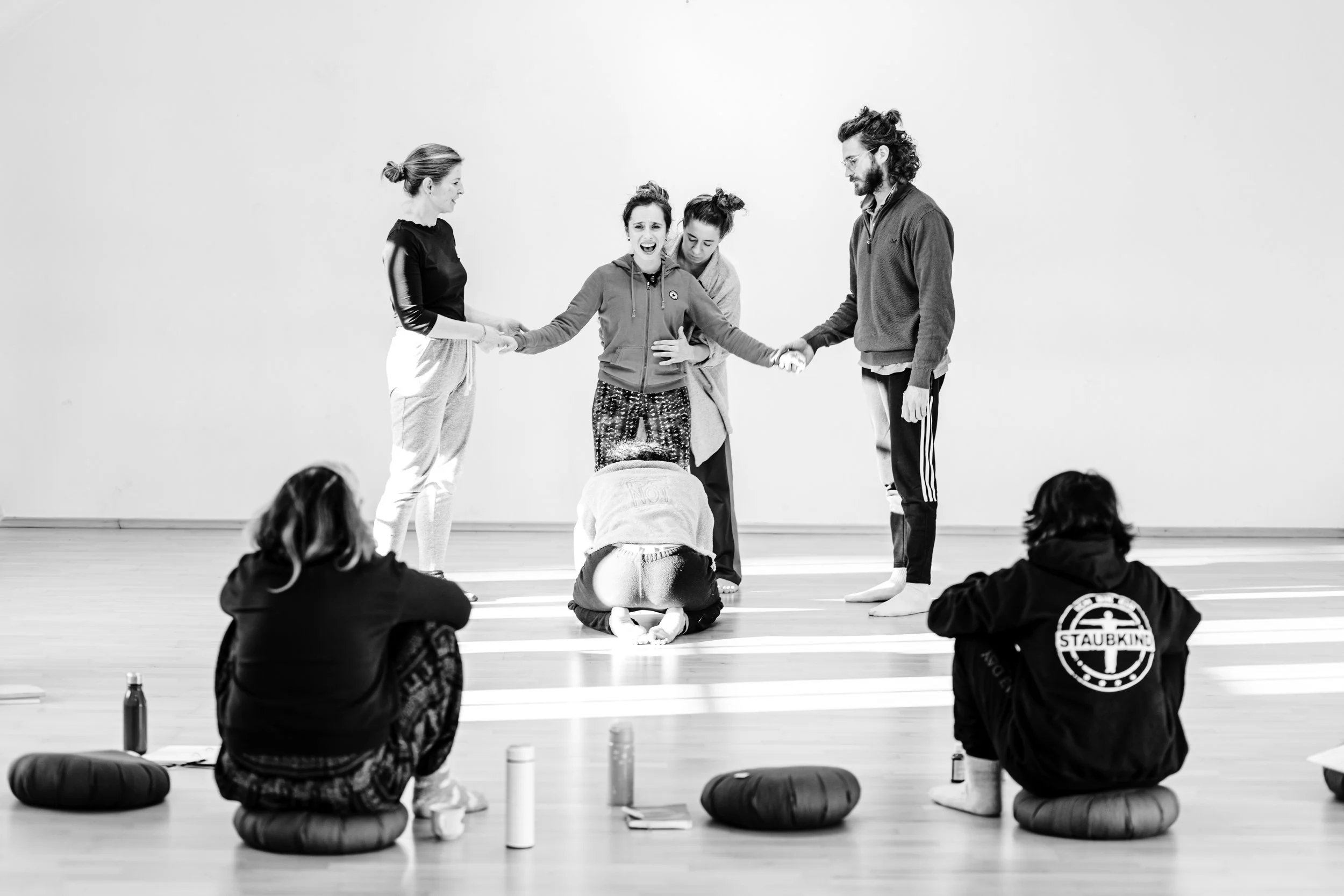
Linklater Voice
Once you get to the point where your vulnerability is your strength, you’re in charge.
Kristin Linklater
What is Linklater Voice?
Linklater Voice™ is an internationally recognized methodology for freeing the natural voice. Rooted in the work of Kristin Linklater and stewarded by a global community of Designated Linklater Voice Teachers, the practice supports vocal freedom, embodied communication, and expressive language while continuing to evolve in response to contemporary cultures, contexts, and communities.
Linklater Voice™ supports anyone who uses their voice to communicate. While developed within actor training, the work is relevant across many fields, including performance, education, the business sector, law, ministry, storytelling, social engagement, and everyday life.
It is concerned not with a particular style of speaking, but with the conditions that allow the voice to remain free, responsive, and expressive in any context.
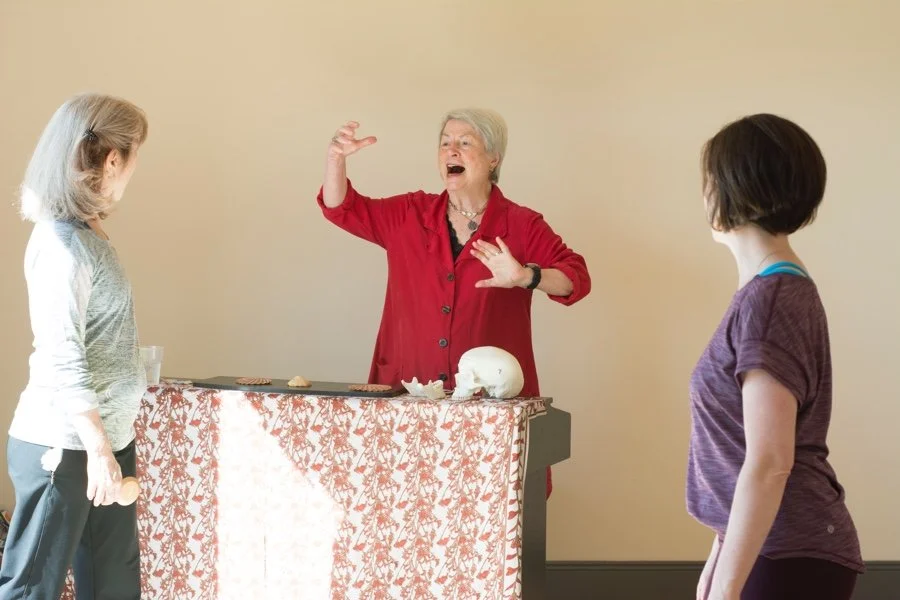
The Progression is the foundation of Linklater Voice™. Developed by Kristin Linklater and outlined in Freeing the Natural Voice, it is a structured sequence of exercises that guides individuals through a clear process of vocal development.
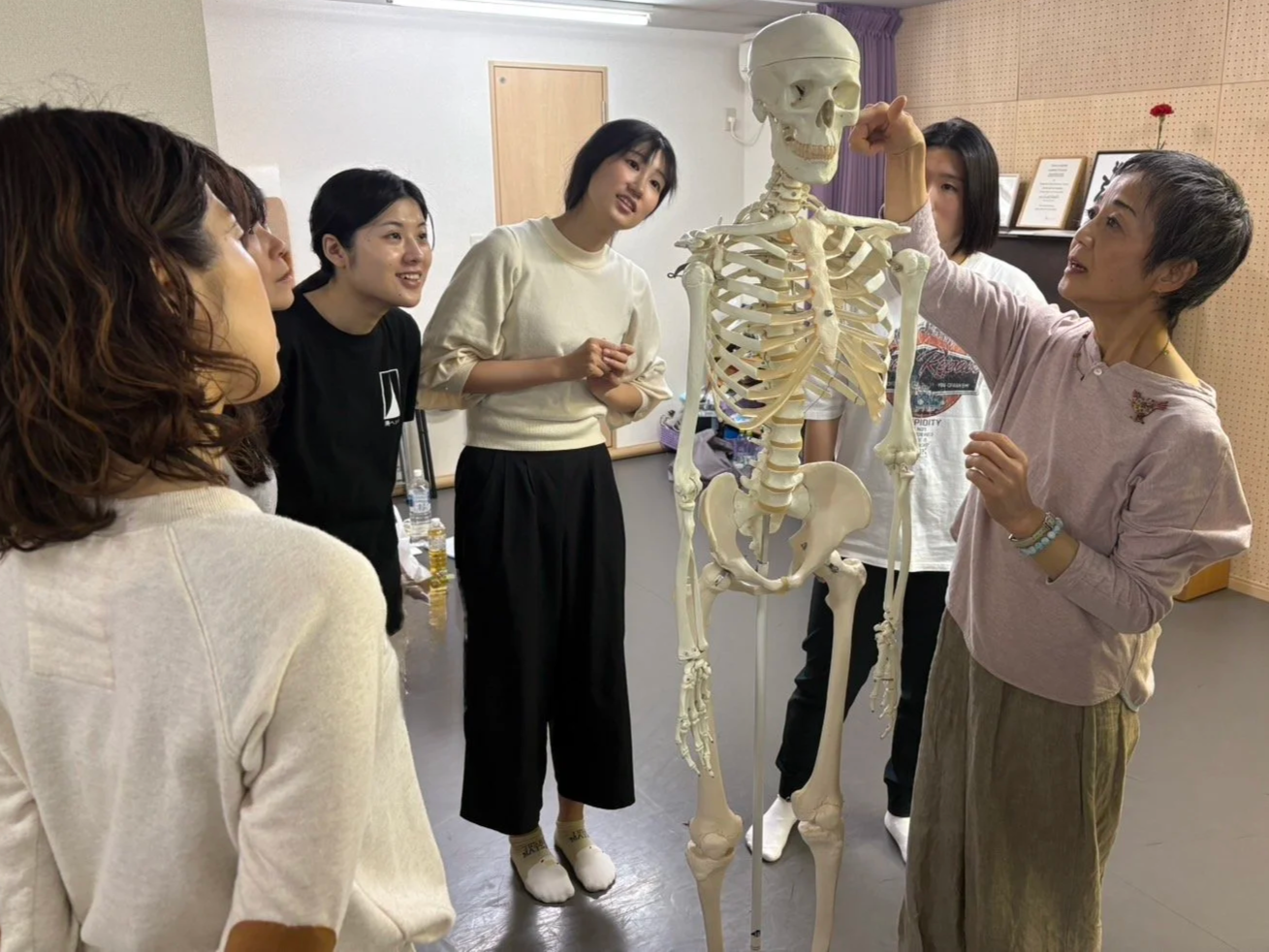
While the book serves as an important resource, the Progression is designed to be experienced through guided practice with a Designated Linklater Voice Teacher.
Beginning with awareness and the release of habitual tension, the work progresses through breath, vibration, resonance, vocal range, articulation, language, and imagination. Each stage builds upon the previous one, creating an organic learning process that strengthens the connection between voice, body, thought, feeling, and language.

Linklater Voice in Action
At its deepest level, Linklater Voice™ is an exploration of human communication, with applications that extend into all areas of life where the spoken voice matters.
In a time when the clarity, presence, and integrity of the human voice is increasingly significant, the work offers practical and powerful resources for expression, connection, and understanding.
The following perspectives offer five lenses through which the work can be understood.
-
For actors, teachers, leaders, lawyers, ministers, healthcare professionals, and others whose work depends on communication, Linklater Voice™ supports a voice that is resilient, responsive, and expressive.
The work helps individuals communicate with greater clarity, presence, and impact while maintaining a strong connection to meaning and intention.
-
The voice is deeply connected to how we experience ourselves and relate to others.
Through increased awareness, freedom, and self-expression, Linklater Voice™ can support more authentic communication in everyday life, strengthening confidence, connection, and the capacity to be heard and understood.
-
The work recognizes the relationship between habitual physical patterns and expressive limitations. By cultivating awareness and expanding expressive possibilities, individuals may discover new ways of responding, communicating, and engaging with the world around them.
While Linklater Voice™ is not therapy, many practitioners find that the work encourages greater self-awareness, agency, and emotional flexibility.
-
Every voice exists within a social and cultural context. Linklater Voice™ invites exploration of how identity, culture, language, power, and belonging influence communication.
As the methodology continues to evolve globally, practitioners engage with questions of representation, access, equity, and the many ways voices are shaped, heard, valued, or constrained within society.
-
At its core, Linklater Voice™ asks fundamental questions about what it means to communicate as a human being.
The work explores the relationship between voice, language, imagination, embodiment, and meaning, encouraging a deeper inquiry into how we connect with ourselves, one another, and the world through spoken expression.